
When and Why to Replace an Oxygen Concentrator Compressor
The compressor is the highest-wear component in an oxygen concentrator and is typically the first major component to require replacement during the concentrator’s service life. Understanding when the oxygen concentrator compressor needs replacement, and how to source and install the correct replacement, is essential knowledge for biomedical engineers, home medical equipment providers, and healthcare facilities that maintain their own equipment.
Signs that an oxygen concentrator compressor requires replacement include: declining oxygen purity output despite clean sieve beds and filters, reduced flow rate from the concentrator outlet, unusual noise or vibration from the compressor area, elevated operating temperature, and compressor alarm activation on units with self-diagnostic systems.
Never attempt to replace an oxygen concentrator compressor in a concentrator that is currently on prescription for a specific patient without first arranging an alternative oxygen supply. Compressor replacement typically takes the concentrator out of service for several hours.
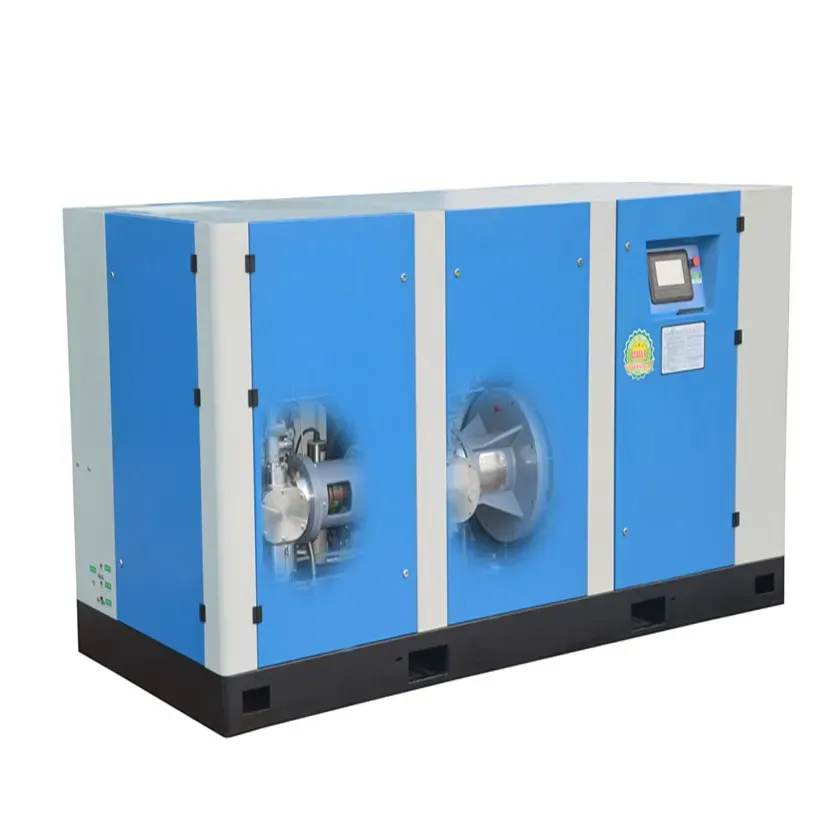
Biomedical technician performing oxygen concentrator compressor replacement in hospital workshop
Identifying the Correct Replacement Compressor
The most critical step in oxygen concentrator compressor replacement is identifying the correct replacement specification. Installing a compressor with even slightly different flow rate, pressure rating, or physical dimensions can result in reduced oxygen purity, shortened service life, or concentrator damage.
From the Concentrator Model
Locate the concentrator’s model and serial number from the nameplate (usually on the rear or bottom panel). The concentrator manufacturer’s service manual specifies the authorized replacement compressor part number for each production variant. This is the most reliable identification method.
From the Existing Compressor
If the service manual is unavailable, identify the compressor from its own nameplate. Key parameters to record: manufacturer name, model number, voltage, frequency, amperage, and any inlet/outlet pressure ratings. Use these parameters to identify a compatible replacement.
From Performance Specs
If neither service documentation nor compressor nameplate data is available, measure the existing compressor’s performance before removal: flow rate at rated conditions, operating current, discharge pressure, and physical dimensions including mounting bolt pattern and connection orientations.
Contact the Manufacturer
When in doubt, contact the concentrator manufacturer’s technical support. Provide the concentrator model and serial number and request the authorized replacement compressor part number. This eliminates compatibility uncertainty.
OEM vs Aftermarket Oxygen Concentrator Compressors
Replacement oxygen concentrator compressors are available from two sources: the original equipment manufacturer (OEM) and aftermarket suppliers. Each has advantages and trade-offs that must be evaluated based on the specific application, regulatory environment, and budget constraints.
| Factor | OEM Replacement Compressor | Aftermarket Replacement Compressor |
|---|---|---|
| Guaranteed Compatibility | 100% matched to original specification | Requires careful specification matching |
| Regulatory Status | Qualifies as OEM service part under medical device regulations | May affect device regulatory status if not cleared |
| Price | Higher (20-50% premium typical) | 10-40% below OEM pricing typical |
| Availability | May require ordering; lead times vary by model | Often stocked for common models; faster availability |
| Warranty | OEM warranty terms | Aftermarket supplier warranty (varies) |
| Documentation | OEM service records maintain device regulatory history | Must document carefully to maintain regulatory compliance |
In regulatory-critical environments (hospitals, licensed home care providers), using non-OEM replacement parts may affect the medical device’s CE/FDA cleared status and the operator’s liability under medical device law. Consult your regulatory affairs team before using aftermarket oxygen concentrator compressors.
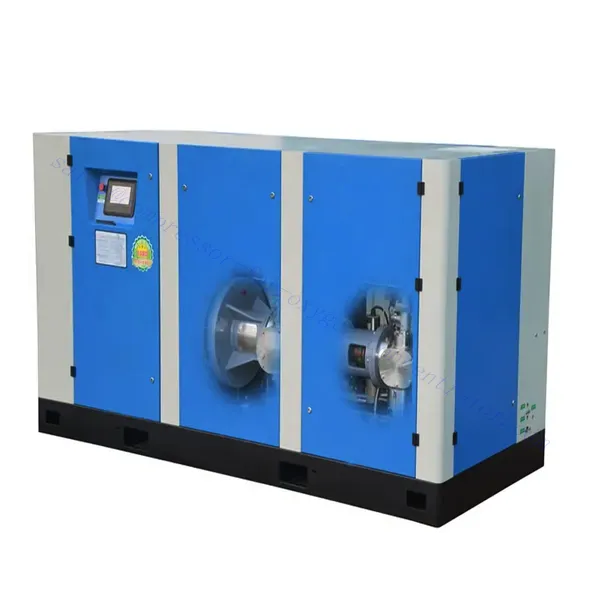
OEM replacement compressor modules for major oxygen concentrator brands — tested and certified compatible
Explore Our Full Product Range
Leading manufacturer of oil-free air compressors for oxygen, medical, and industrial applications
Key Specifications to Match in Oxygen Concentrator Compressor Replacement
| Specification Parameter | Replacement Matching Requirement |
|---|---|
| Flow rate (L/min) | Must match original within 5% to maintain concentrator oxygen output |
| Discharge pressure (bar) | Must match original sieve bed cycle pressure within 0.2 bar |
| Voltage and frequency | Must exactly match concentrator electrical supply specification |
| Power consumption (W) | Close match to original ensures correct motor protection relay settings |
| Mounting dimensions | Bolt pattern, inlet/outlet connection positions, overall envelope |
| Inlet/outlet connection type | Barb, compression fitting, or threaded — must match connecting tubing |
| Rotation direction (reciprocating) | Incorrect rotation direction reverses valve function — critical |
| Noise level | Significantly louder replacement will affect patient or user compliance |
Low Vibration Compressors for Portable Oxygen Concentrators
For portable oxygen concentrators, compressor vibration is a particularly critical specification. Excessive vibration in a portable concentrator reduces user comfort, accelerates wear of the sieve bed and tubing connections, and can cause early failure of pressure transducers and electronic components. When replacing the compressor in a portable oxygen concentrator, always verify the vibration specification of the replacement unit against the original.
Modern portable oxygen concentrator compressors use inherently balanced scroll or linear compression technology to minimize vibration. Replacement compressors should use the same technology as the original where possible. Anti-vibration mounting arrangements should be preserved exactly as in the original installation, using the same mount type, durometer, and orientation.
Scroll Compressors
Preferred for modern portable concentrators due to inherently low vibration from balanced rotating motion. Tip seals are the primary wear component. Select replacements with PTFE tip seals from a medical-grade supplier.
Linear Compressors
Used in some advanced portable concentrators. Near-zero vibration due to reciprocating piston driven by linear electromagnetic actuator. Replacement requires exact mechanical and electrical matching to the original.
Reciprocating (Piston)
Older portable concentrators may use miniature reciprocating compressors. These have higher vibration than scroll types but are robust and widely available as replacements. Ensure the replacement includes matched valve sets.
OEM Supply of Oxygen Concentrator Compressor Modules
For manufacturers of oxygen concentrators sourcing compressor modules for new production, the compressor supply relationship is a long-term partnership that affects product quality, cost, and regulatory compliance across the product lifetime. Key factors in establishing a successful OEM compressor supply relationship include technical qualification, quality system alignment, and commercial terms that support program sustainability.
Technical Qualification
The OEM qualification process for a replacement oxygen concentrator compressor involves performance testing in the actual concentrator platform, endurance testing to the design service life, and verification of regulatory documentation adequacy for incorporation into the concentrator’s design history file.
Supply Chain Security
For concentrator OEM programs, supply chain security requires multiple qualified compressor sources or formal supply chain risk agreements with a single-source supplier. Compressor shortages have caused significant disruption to medical device production in recent years.
Global Distribution Support
Concentrator manufacturers serving global markets need compressor suppliers who can support export compliance, including REACH declarations, RoHS compliance statements, and country-specific import documentation.
Explore Our Full Product Range
Leading manufacturer of oil-free air compressors for oxygen, medical, and industrial applications