
What Is a HomeFill Oxygen Compressor?
A HomeFill oxygen compressor is a compact, multi-stage oil-free compressor designed specifically to fill portable oxygen cylinders from a home oxygen concentrator. The term HomeFill is often used generically to describe this product category, though it is also a specific registered product line of Invacare Corporation, one of the pioneers in home oxygen compression technology.
The HomeFill oxygen compressor concept addresses a fundamental limitation of home oxygen concentrators: while they provide continuous oxygen supply at home, they cannot fill portable cylinders for use away from home. Without a home compressor, patients must rely on delivered cylinder services, which involve scheduling, logistics, cost, and the risk of running out between deliveries. A HomeFill-type home oxygen compressor eliminates these dependencies by allowing patients to fill their own portable cylinders, typically overnight, from their stationary home concentrator.
HomeFill oxygen compressors are prescription medical devices in most countries. They must be prescribed by a physician and supplied by an authorized medical equipment provider. Do not purchase or use a HomeFill oxygen compressor without proper medical authorization.

HomeFill-type home oxygen compressor connecting a stationary concentrator to portable cylinder filling
How a HomeFill Oxygen Compressor Works: Step by Step
The operating sequence of a HomeFill oxygen compressor is straightforward and designed for non-technical home users. Understanding the process helps patients use the equipment correctly and recognize abnormal operation.
Concentrator Connection
The HomeFill compressor connects to the dedicated high-flow outlet of a compatible home oxygen concentrator using a proprietary oxygen-rated tubing connection. The concentrator must be operating normally before the compressor is started.
Cylinder Connection
An empty or partially filled portable aluminum oxygen cylinder is connected to the compressor’s fill outlet using the cylinder’s CGA 870 or equivalent post valve connection. The connection is made when the compressor is off.
Compressor Operation
When started, the HomeFill compressor draws oxygen from the concentrator outlet and compresses it in multiple stages, raising pressure progressively toward the cylinder’s fill pressure (typically 2,000-3,000 PSI).
Pressure Equalization Phase
As cylinder pressure approaches fill pressure, the compression ratio decreases and the compressor gradually reduces its effective throughput. This phase takes the longest portion of the fill cycle.
Auto-Shutoff
When target fill pressure is reached, the compressor’s automatic pressure switch cuts out the motor and the unit shuts down. Many models illuminate a fill-complete indicator light.
Cylinder Removal
After shutoff, the cylinder valve is closed and the fill connection is safely depressurized before the cylinder is disconnected. The filled cylinder is now ready for portable use.
| Parameter | Specification |
|---|---|
| Typical fill pressure | 2,000-3,000 PSI (138-207 bar) |
| Fill time (425L cylinder) | 2-4 hours from fully empty |
| Power consumption | 200-350 W during operation |
| Noise level | 40-50 dBA (suitable for home bedrooms) |
| Weight | 4-8 kg typical |
| Concentrator requirement | Must have dedicated compressor outlet port at sufficient flow |
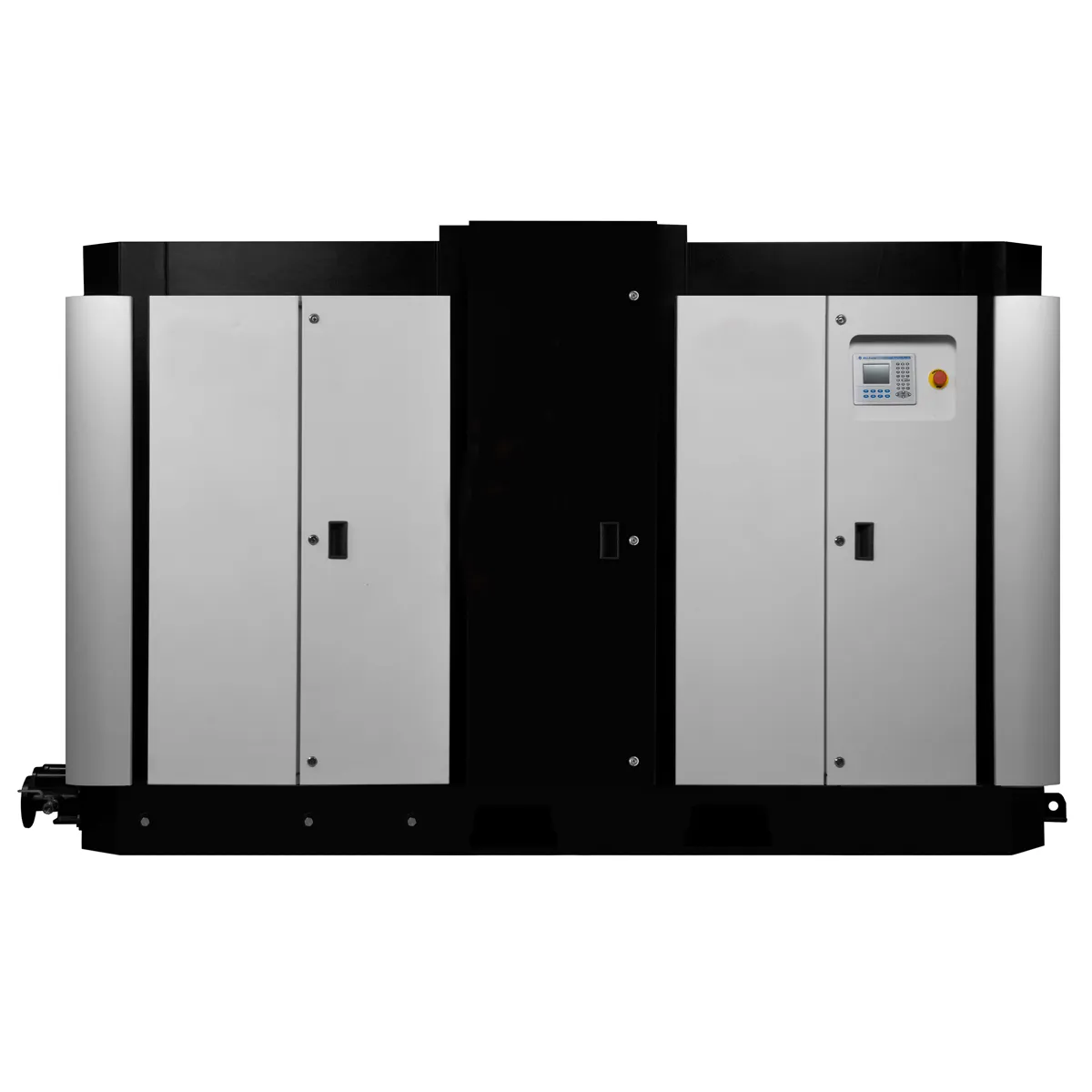
HomeFill oxygen compressor with auto-shutoff and fill-complete indicator
Concentrator Compatibility: The Most Important Factor
Not all home oxygen concentrators are compatible with HomeFill-type oxygen compressors. The compressor requires a concentrator with a specific high-flow accessory outlet that delivers sufficient oxygen flow at adequate pressure to supply the compressor inlet. Standard concentrator patient outlets are designed for low-pressure nasal cannula delivery and do not meet the compressor inlet requirements.
Concentrator manufacturers who design their products for HomeFill compatibility include a dedicated compressor outlet port, typically rated at 3-5 L/min at slightly above atmospheric pressure. The compressor is then matched specifically to this outlet specification. Using a HomeFill compressor with an incompatible concentrator either will not work at all or may damage the concentrator by creating backpressure on the outlet.
Always verify concentrator-compressor compatibility using the official compatibility matrix from the compressor manufacturer before purchase. Using an incompatible combination may void both equipment warranties and, more critically, may fail to fill cylinders safely.
General Compatible Concentrator Characteristics
| Compatibility Requirement | Specification |
|---|---|
| Dedicated accessory outlet port | Separate from the patient outlet; labeled for compressor use |
| Flow capacity at outlet | Minimum 3 L/min; 5 L/min preferred for reasonable fill times |
| Outlet pressure | Sufficient to overcome compressor inlet filter resistance (typically 0.1-0.3 bar above ambient) |
| Concentrator purity | 93% or better product purity for medical cylinder filling |
| Approved by compressor manufacturer | Explicit listing in the compressor’s compatibility documentation |
Explore Our Full Product Range
Leading manufacturer of oil-free air compressors for oxygen, medical, and industrial applications
Using a HomeFill Oxygen Compressor Safely
Power Supply
Ensure the HomeFill compressor is connected to a dedicated electrical circuit where possible. Avoid use on extension cords or power strips with other high-draw appliances. Voltage fluctuations can affect compressor motor performance.
Operating Environment
Use the compressor in a room temperature environment (10-35 degrees C). Do not place it in enclosed spaces, cabinets, or areas where it cannot dissipate heat. The compressor generates heat during operation.
Cylinder Security
Ensure the portable cylinder is securely supported and cannot fall during the fill cycle. A falling cylinder with a pressurized valve is a significant hazard. Use a dedicated cylinder stand.
Fill Scheduling
Many HomeFill users fill their cylinder overnight while sleeping. The auto-shutoff feature makes this safe and convenient. However, ensure the concentrator is also operating correctly before leaving it unattended.
Annual Servicing
Have the HomeFill oxygen compressor inspected and serviced by an authorized technician at least annually, or as specified by the manufacturer. Service includes pressure calibration, seal inspection, and safety system verification.
Record Keeping
Keep a log of fill cycles (date, cylinder ID, fill pressure achieved). This helps identify gradual performance degradation and supports maintenance scheduling.